Finding a Postpartum Therapist in Texas: What You Need to Know
 Marilu Navarro, LMFTJune 20259 min read
Becoming a mother is one of the most profound transitions a person can experience — and for many Texas mothers, it comes with unexpected emotional challenges. Postpartum depression and anxiety affect approximately 1 in 5 new mothers, yet many go undiagnosed and untreated. This guide is for Texas mothers who are struggling and looking for support — and for the partners and families who want to help them find it.
What Is Postpartum Depression? (And What It's Not)
Postpartum depression (PPD) is a mood disorder that affects mothers after childbirth. It is not a character flaw, a sign of weakness, or a reflection of how much you love your baby. It is a medical condition — caused by dramatic hormonal shifts, sleep deprivation, physical recovery, and the psychological weight of a major life transition.
PPD is different from the "baby blues," which affect up to 80% of new mothers in the first two weeks after birth and typically resolve on their own. PPD is more intense, lasts longer, and requires professional support to heal.
Signs of postpartum depression include:
- Persistent sadness, emptiness, or hopelessness
- Difficulty bonding with your baby
- Withdrawing from family and friends
- Loss of interest in activities you used to enjoy
- Changes in appetite or sleep (beyond normal newborn disruptions)
- Intense irritability or anger
- Feeling like a bad mother or that your baby would be better off without you
- Difficulty concentrating or making decisions
- Thoughts of harming yourself or your baby (seek immediate help if this occurs)
Postpartum Anxiety: The Less-Talked-About Condition
Postpartum anxiety (PPA) is actually more common than postpartum depression, yet it receives far less attention. Many mothers with PPA are told they are "just worried" or are praised for being "such a devoted mother" — when in reality, their anxiety has crossed into a clinical condition that is causing significant distress.
Signs of postpartum anxiety include:
- Constant, racing thoughts that you can't turn off
- Excessive worry about your baby's health and safety
- Inability to sleep even when the baby is sleeping
- Physical symptoms: racing heart, shortness of breath, dizziness
- Feeling on edge or unable to relax
- Avoiding situations out of fear something bad will happen
- Intrusive thoughts (unwanted, distressing thoughts about harm coming to your baby)
Intrusive thoughts are particularly frightening for new mothers — but they are a symptom of anxiety, not a reflection of your character or intentions. A perinatal mental health therapist can help you understand and manage them.
Postpartum Mental Health in the Latinx Community
Latina mothers in Texas face unique barriers to accessing postpartum mental health care. Cultural stigma around mental health, the expectation of marianismo (selfless, self-sacrificing motherhood), language barriers, and lack of culturally competent providers all contribute to significantly lower rates of treatment-seeking among Latina mothers — despite similar or higher rates of postpartum depression.
Many Latina mothers are told by family members that what they're experiencing is normal, that they just need to pray more, or that seeking therapy is a sign of weakness. These messages, while often well-intentioned, delay treatment and prolong suffering.
Postpartum depression and anxiety are not signs of weakness. They are medical conditions. And they are treatable — especially with a therapist who understands your cultural context and can work with you in Spanish.
How Therapy Helps Postpartum Depression and Anxiety
Therapy is one of the most effective treatments for postpartum depression and anxiety — often as effective as medication, and sometimes more so for mild to moderate cases. The most evidence-based approaches for perinatal mental health include:
- Cognitive Behavioral Therapy (CBT) — identifies and changes the thought patterns that fuel depression and anxiety
- Interpersonal Therapy (IPT) — addresses relationship changes and role transitions that come with new motherhood
- EMDR — particularly helpful for mothers who experienced a traumatic birth or have unresolved trauma from their own childhood
- Mindfulness-based approaches — build present-moment awareness and reduce the rumination common in postpartum anxiety
Therapy also provides something that medication cannot: a space to process the emotional complexity of new motherhood — the grief, the identity shift, the relationship changes, and the often unspoken ambivalence that many mothers feel.
Finding a Postpartum Therapist in Texas: What to Look For
Not all therapists have specialized training in perinatal mental health. When searching for a postpartum therapist in Texas, look for:
- Perinatal mental health training — completed through Postpartum Support International (PSI) or similar organization
- Licensed therapist — LMFT, LPC, LCSW, or psychologist licensed in Texas
- Experience with postpartum depression and anxiety — not just general anxiety or depression
- Telehealth availability — essential for new mothers who cannot easily leave the house
- Insurance acceptance — postpartum therapy is covered by most major insurance plans
- Bilingual services — if Spanish is your primary language, a bilingual therapist will provide more effective care
You can also find postpartum mental health resources and provider directories at Postpartum Support International.
Telehealth Postpartum Therapy in Texas
Telehealth is a lifeline for new mothers. Getting out of the house with a newborn is hard. Finding childcare for a therapy appointment is hard. Driving across Austin in traffic with a baby in the back seat is hard. Telehealth removes all of those barriers.
Research consistently shows that telehealth therapy is as effective as in-person therapy for postpartum depression and anxiety. You can attend sessions from your couch, your car, or wherever you can find 50 minutes of relative quiet.
Marilu Navarro, LMFT offers postpartum therapy via telehealth throughout Texas — including Austin, San Marcos, Houston, Dallas, San Antonio, and beyond. She is Perinatal Mental Health Trained through Postpartum Support International and provides care in both English and Spanish.
You deserve support during this season of life. Postpartum depression and anxiety are treatable, and you don't have to navigate them alone. If you're a Texas mother looking for a postpartum therapist who understands your experience — in English or Spanish — Marilu Navarro, LMFT is here to help. Book a free 15-minute consultation to get started.
Marilu is a bilingual Licensed Marriage and Family Therapist with 11+ years of experience. She is Perinatal Mental Health Trained through Postpartum Support International and specializes in postpartum depression, anxiety, and maternal mental health. She provides telehealth therapy throughout Texas and California, and in-person at her San Marcos, TX office.
Book Free Consultation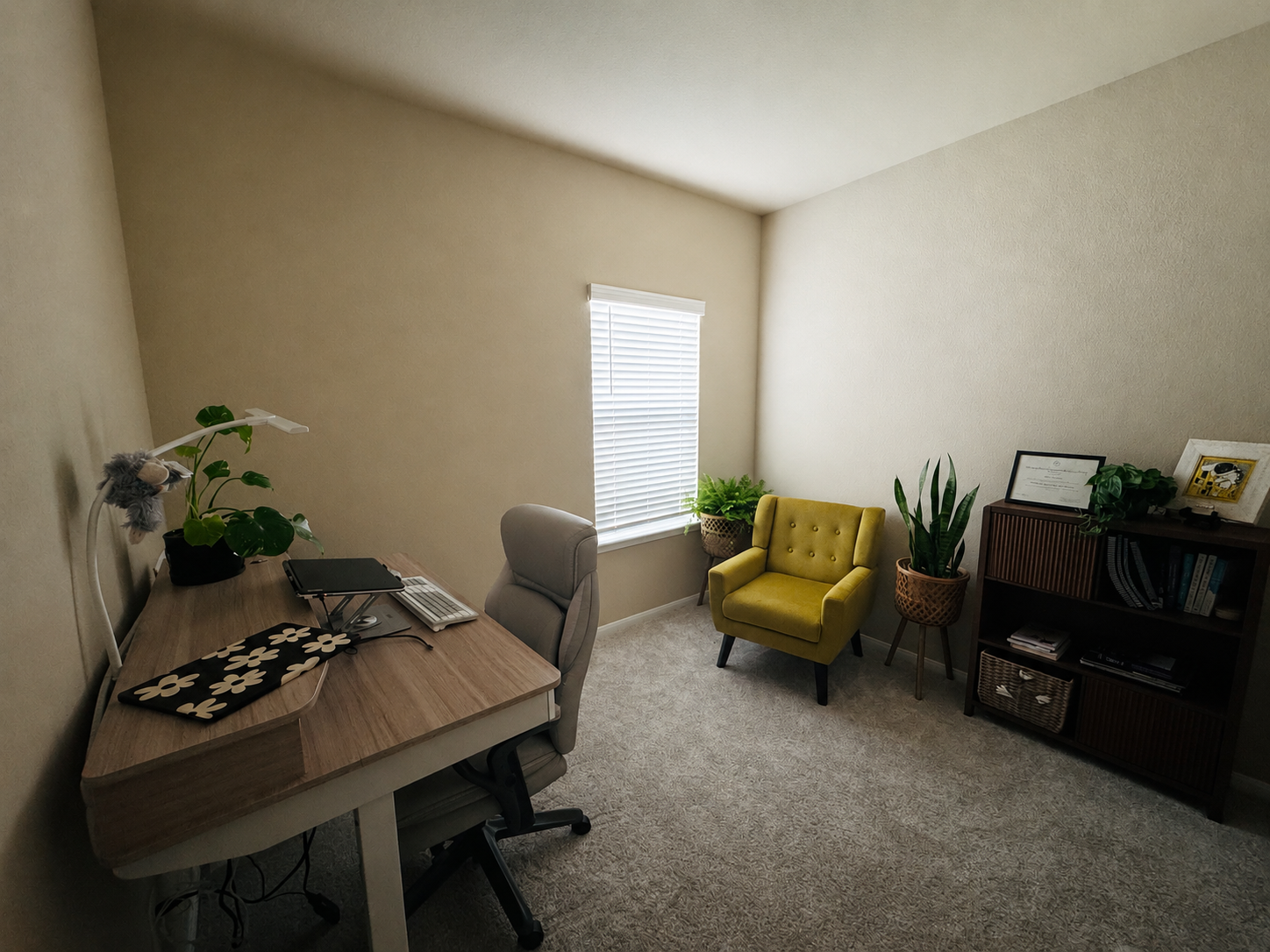
You Don't Have to Do This Alone
Book a free 15-minute consultation with Marilu Navarro, LMFT. Postpartum therapy for Texas mothers — in English or Spanish, via telehealth.
Book Free Consultation